Essential Painting Materials for Nigerian Homes: Tools & Prices
Planning to paint or renovate your home in Nigeria? Learn which painting materials, preparation products and tools you need, compare example prices, and estimate supplies before you buy
Preparing finishes & 3D renders...
Planning to paint or renovate your home in Nigeria? Learn which painting materials, preparation products and tools you need, compare example prices, and estimate supplies before you buy

If you have ever started painting a room and then had to rush back to the market because you forgot sandpaper, a roller or wall filler, you already know that painting involves more than buying a bucket of paint.
The materials you choose before painting can make a big difference to how your walls look when the job is finished. They can also affect how easily the paint spreads, how neatly the edges come out and how much money you spend correcting mistakes.
Some materials prepare the wall, others help the paint stick, and others are used to apply the final colour or create decorative effects. Buying the right combination can help you avoid unnecessary trips to the market and make better use of your budget.
In this guide, we will look at the essential painting materials for Nigerian homes, the tools beginners need, the difference between preparation materials and finishing products, example prices available on Bukkinhomes, and how to estimate what your project requires.
Painting materials are the products and supplies used to prepare a surface, apply a coating and achieve the finish you want.
For a typical residential project, they fall into four main groups:
You will not need every item for every project. Repainting a smooth bedroom wall, for example, may require much less preparation than finishing a newly plastered building or applying a decorative stucco coating.
The best starting point is to inspect the wall, decide on the finish and then buy the materials suited to that particular job.
Before buying anything, make a list based on the condition of your walls and the finish you want. Here are the main materials you may need.
Walls are not always as smooth as they appear. Small holes, hairline cracks, rough patches and uneven plaster can become more noticeable after paint is applied, especially when light falls across the surface.
Wall fillers and screeding compounds are used to address different surface defects and create a suitable base for finishing.
Do not use filler to hide an ongoing damp problem or a structural crack. The underlying cause needs to be assessed and addressed first.
If you are planning to screed several rooms, estimate the quantity before ordering. The amount required depends on the area, the condition of the wall and the recommended application thickness.
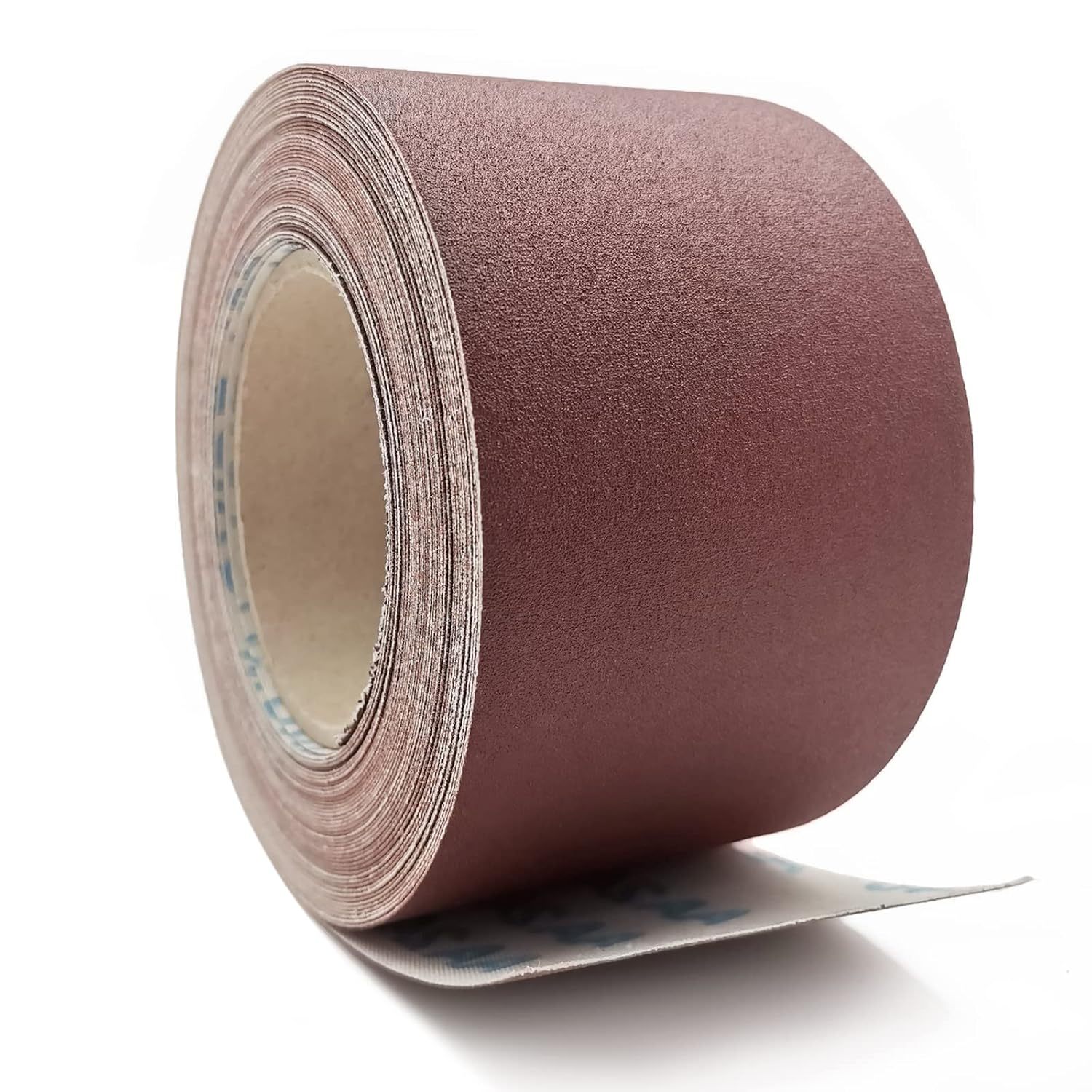
Sanding helps smooth suitable surfaces and remove minor raised imperfections. It can also help prepare previously painted surfaces when the coating manufacturer's instructions call for it.
Different sanding grades serve different purposes. Coarser abrasives remove material more quickly, while finer grades help produce a smoother finish. The appropriate grade depends on the material being sanded and the stage of preparation.
After sanding, remove dust thoroughly before applying the next material. Dust left on the wall can interfere with adhesion and make the finished surface look rough.
Safety tip: Use suitable eye protection and a dust mask when sanding. Older coatings may contain hazardous substances, so avoid dry-sanding unknown old paint until you understand the risks and the appropriate precautions.
Primer is not simply another coat of paint. It is a preparation product selected to help a particular topcoat perform properly on a particular surface.
A suitable primer may help with adhesion, reduce uneven absorption or prepare a surface for the next coating. Some products are formulated for masonry, while others are intended for previously painted surfaces, metal, wood or other substrates.
A sealer may serve a related but different purpose, depending on the formulation.
Before buying, tell the supplier whether your wall is newly plastered, previously painted, chalky, porous or affected by moisture. Ask which preparation product is appropriate and follow its instructions for curing, application and drying.
Do not assume that every fresh cement wall can be painted immediately. Cement-based plaster needs to cure and reach a suitable condition before certain coatings are applied. Check the product requirements rather than relying on a fixed waiting period for every building.
Paint is the material most people think about first, but choosing the right type matters as much as choosing a colour.
Common options for Nigerian homes include:
A paint intended for interior walls is not automatically suitable for an exterior wall exposed to direct sunlight and heavy rainfall. Likewise, a decorative coating may need a particular base preparation or application technique.
Ask for the product data and recommended uses before making a final decision.
If you want something beyond an ordinary painted wall, you may need specialist decorative materials.
Depending on the design, these can include stucco, textured finishes, gravitas-style coatings and other decorative products. They can create a distinctive appearance, but they should not be treated as interchangeable with standard emulsion paint.
Decorative finishes may require a specific base, application technique and level of workmanship. Include the cost of suitable preparation and labour when planning your budget.
You can browse available paints, screeding materials and decorative finishes through the BukkinHomes Shop (https://bukkinhomes.com.ng/).
Even with the right paint, poor tools or rushed application can affect the final result. You do not need to buy every professional tool available, but you should have the basic equipment required for your project.
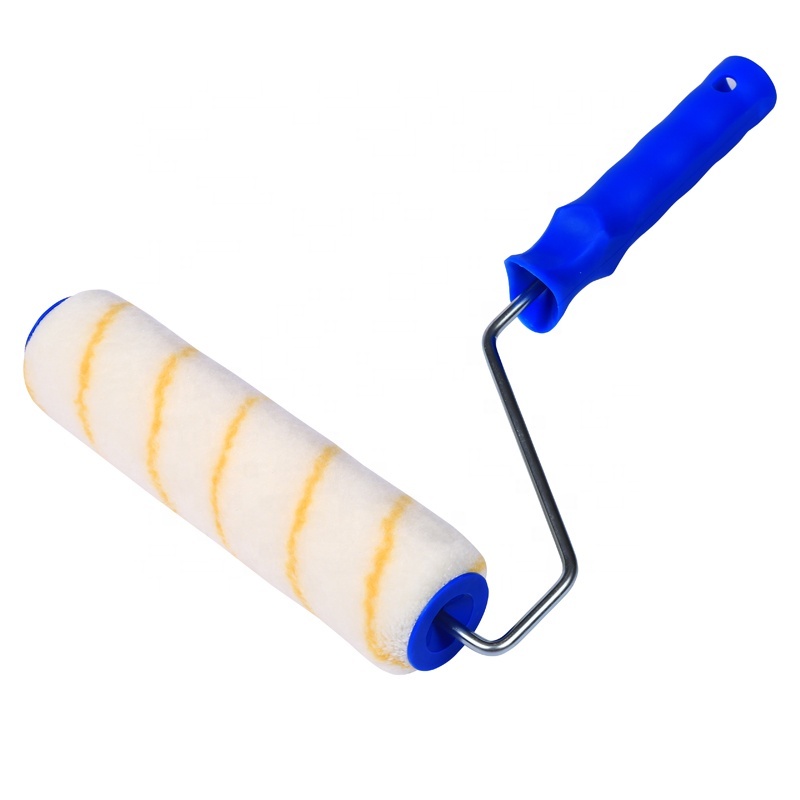
A roller is useful for covering large wall areas more quickly than a small brush. The roller cover should suit the paint and the surface texture.
A shorter pile is often suitable for smoother surfaces, while a longer pile may help apply paint to more textured surfaces. Check the product recommendations because the best choice depends on the coating and the wall.
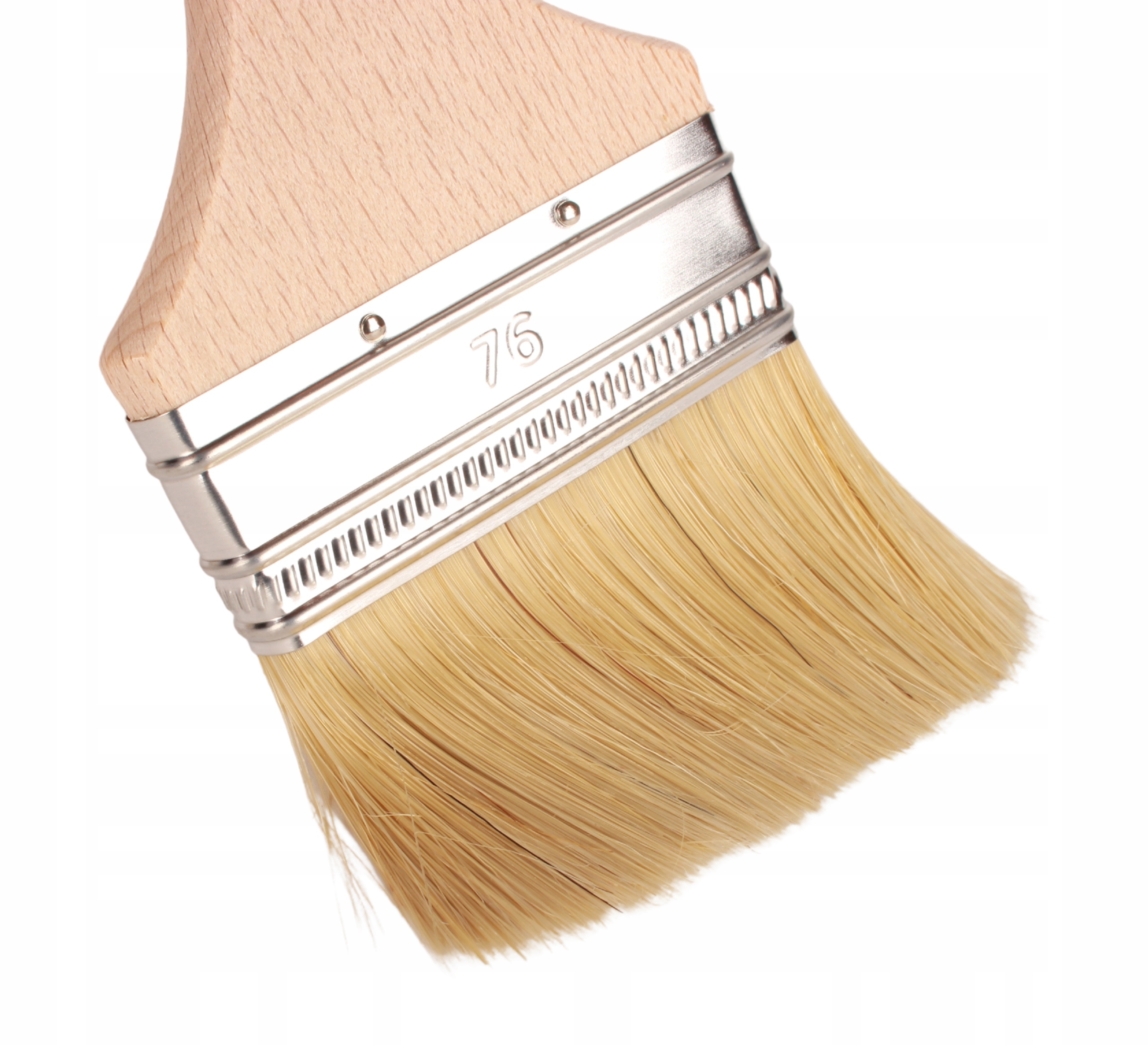
A cutting brush helps you paint around corners, window frames, door frames and other areas where a roller is difficult to control.
A suitable brush can help create cleaner edges and reduce the need to correct accidental marks afterwards.
Scrapers can help remove loose material where appropriate, while filling knives are useful for applying wall filler or other repair compounds.
Choose a tool that suits the material and the task. Avoid scraping sound paint unnecessarily or using a tool in a way that damages the underlying wall.
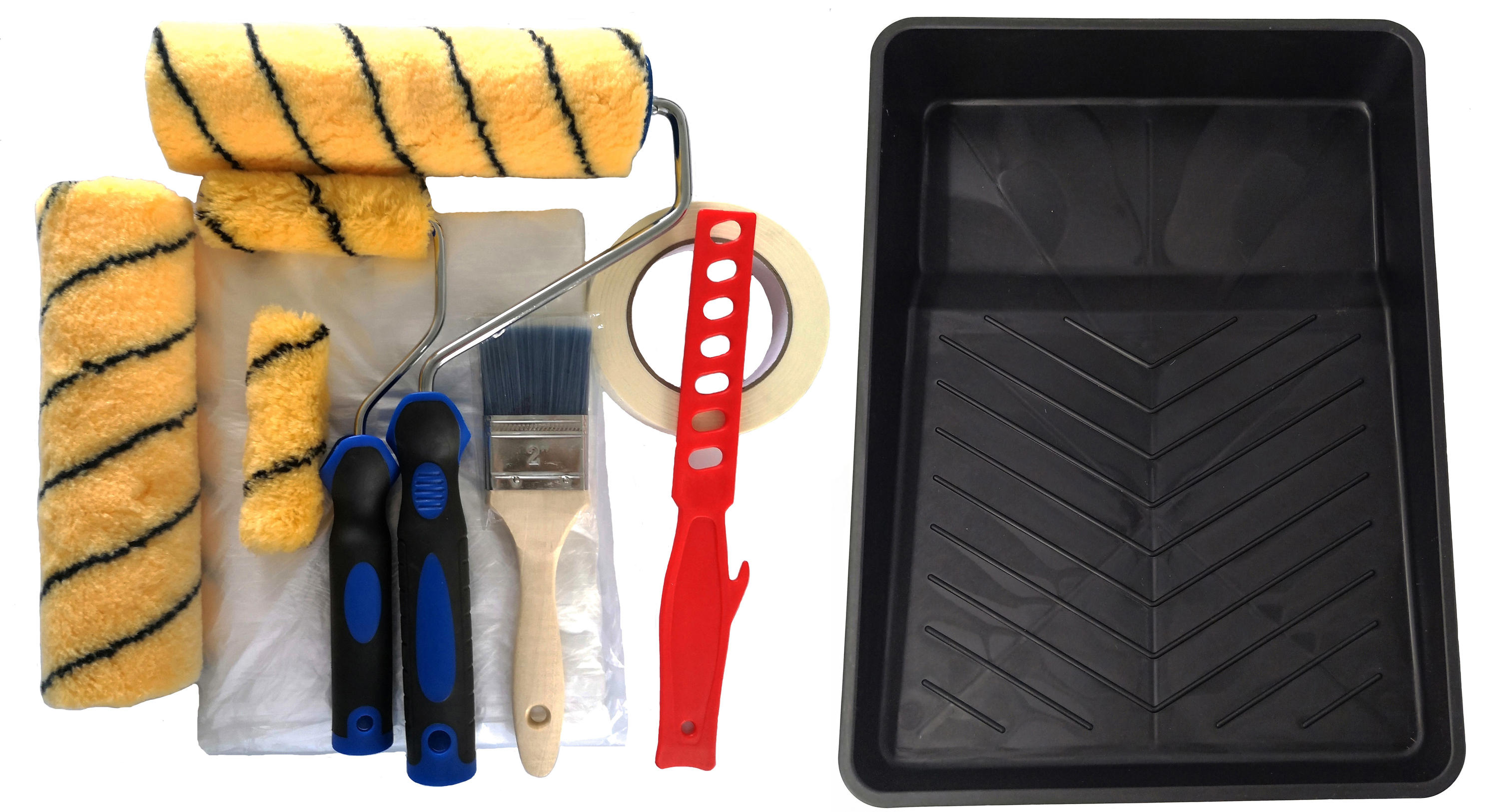
A tray makes it easier to load a roller with a manageable amount of paint. Mixing tools may be needed where the product instructions require thorough stirring before use.
Always follow the manufacturer's mixing directions. Adding excess water or another thinner can affect the paint's application and finished performance.
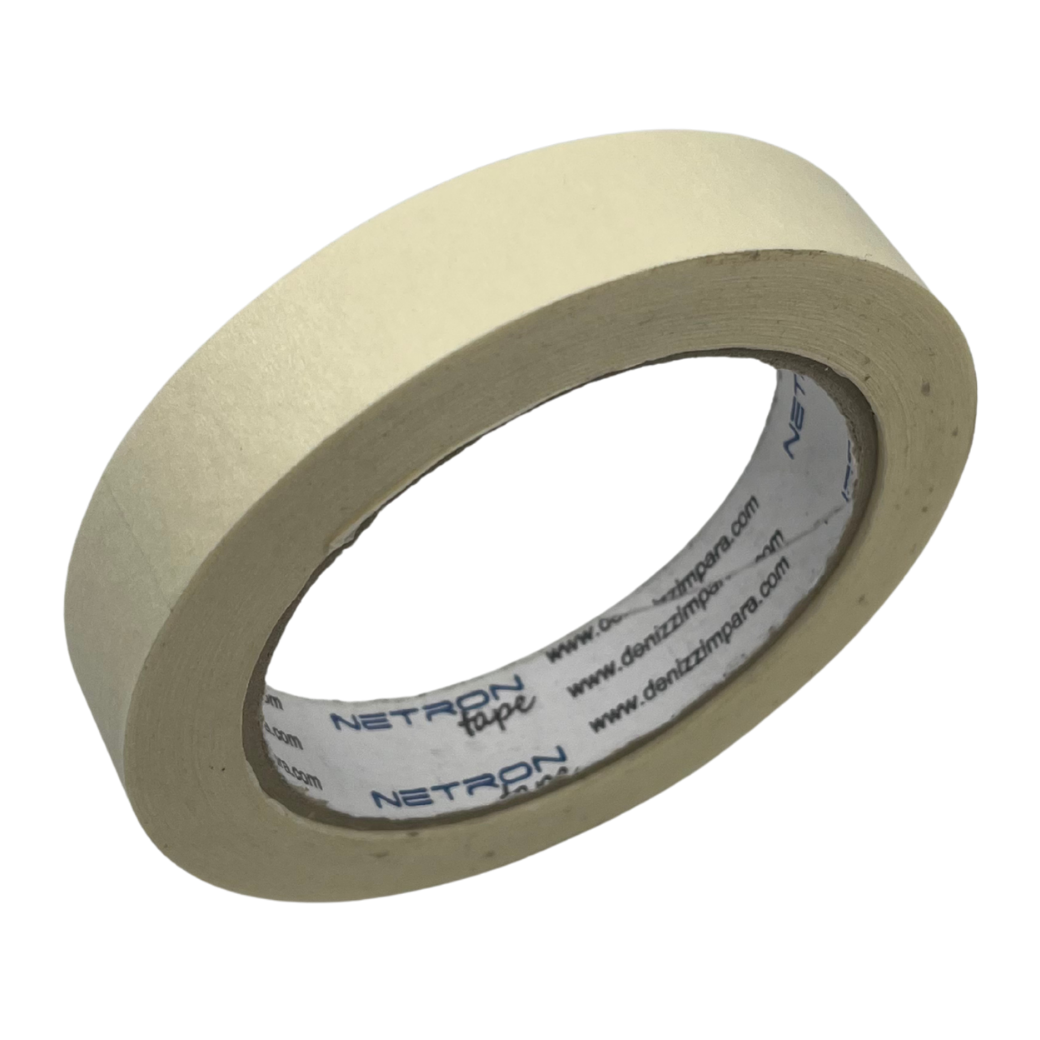
Masking tape helps protect selected edges, frames and fittings. Floor coverings, plastic sheets or suitable drop cloths help protect tiles, furniture and other surfaces from splashes.
For a furnished home, this preparation can save a lot of cleaning time after the job.
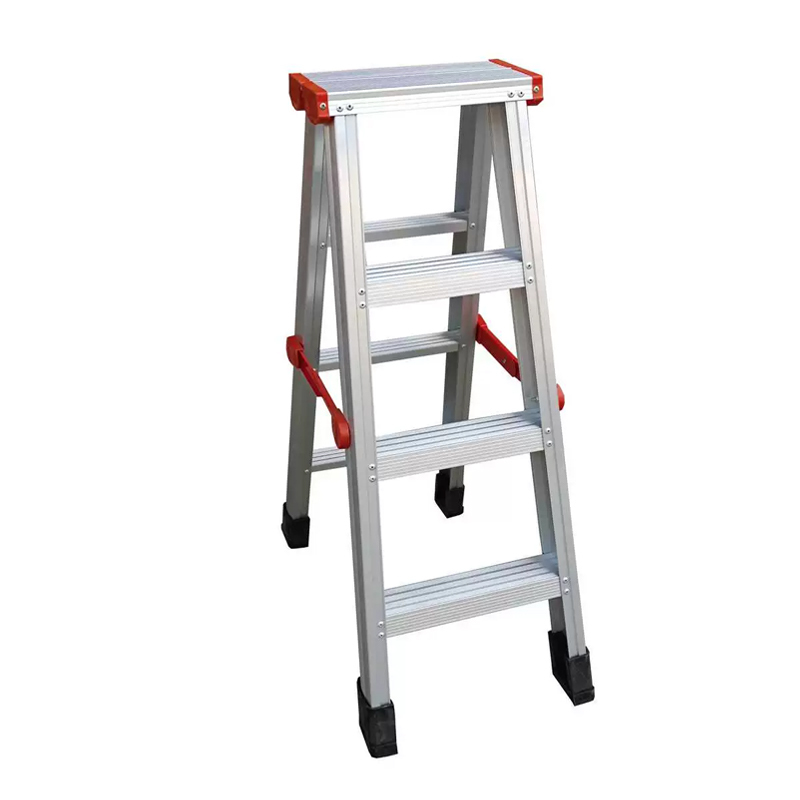
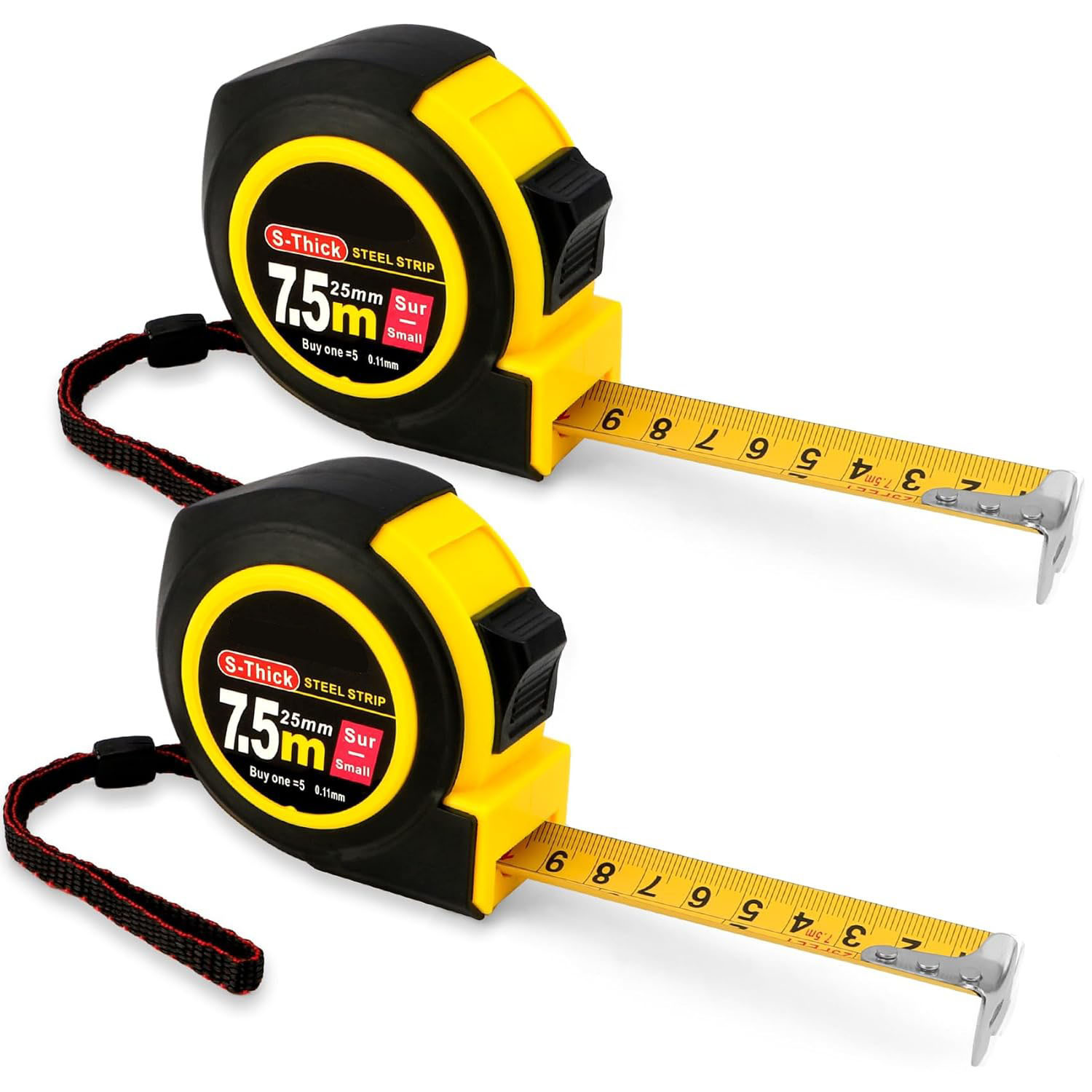
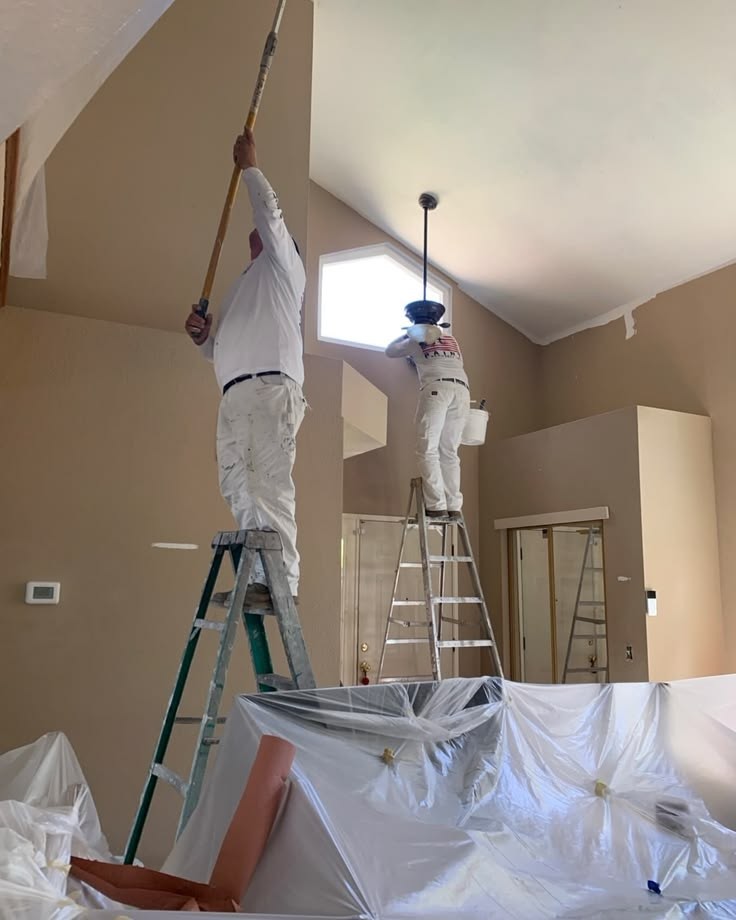
A measuring tape helps you calculate wall dimensions and estimate material quantities. A suitable ladder may be necessary for high walls or ceilings, but it should be stable and used safely.
For high exterior walls, complex access or work near electrical fittings, consider getting appropriate professional assistance rather than improvising.
If you are budgeting for a painting project, it helps to check material prices before visiting suppliers. The following are example prices currently displayed on the Bukkinhomes website.
| Product | Website-listed price |
|---|---|
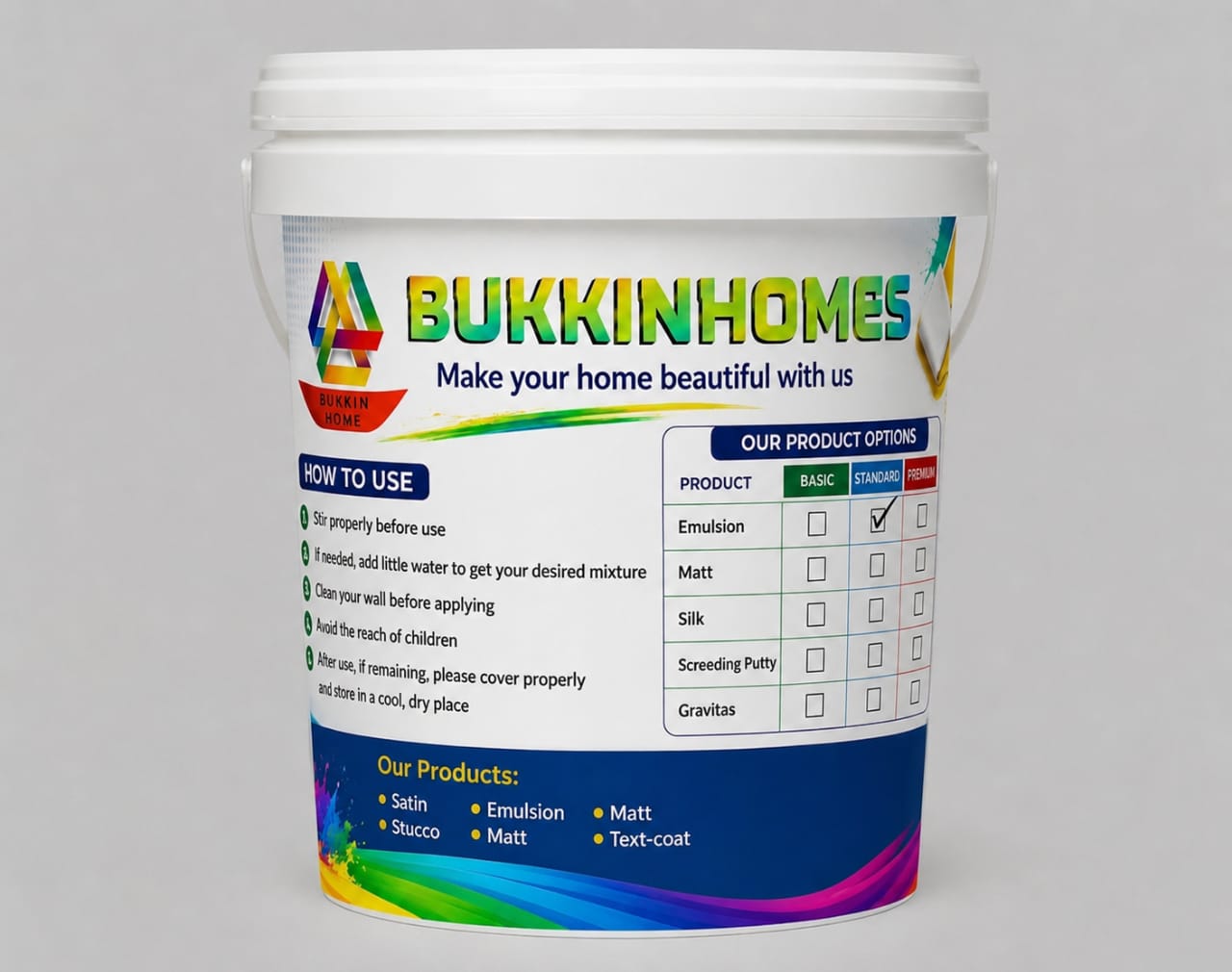
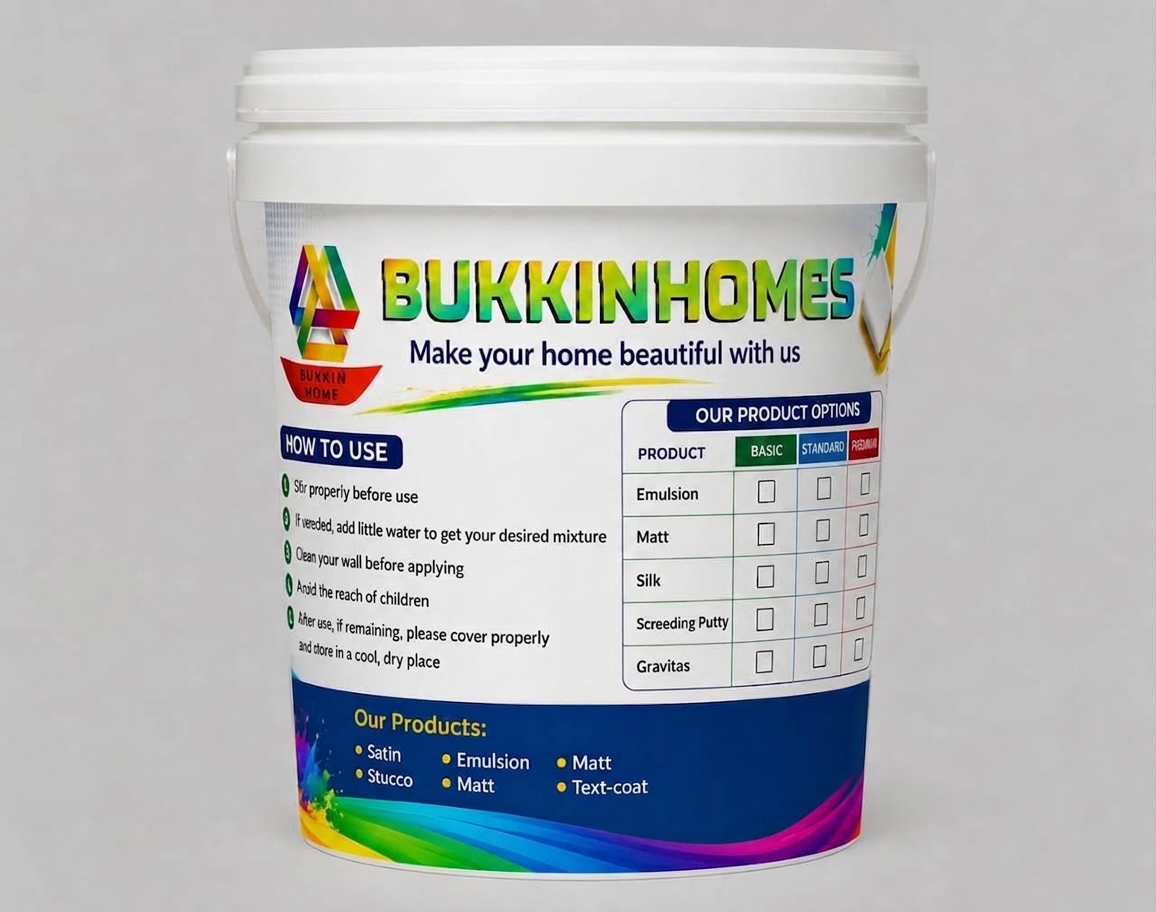
| Premium matt | 20liters From ₦45,000 |
| Premium Emulsion | 20liters From ₦23,000 |
| Standard Emulsion | 20liters From ₦18,000 |
| Standard silk paint | 20liters From ₦75,000 |
| Basic silk | 20liters From ₦50,000 |
| Standard matt | 20liters From ₦28,000 |
| Basic Emulsion | 20liters From ₦15,000 |
| Premium matt paint | 4liters From ₦15,000 |
| Basic silk paint | 4liters From ₦18,000 |
| Glossy oil paint | 4liters From ₦18,000 |
| Standard silk paint | 4liters From ₦25,000 |
| Basic screeding putty | 4liters From ₦4,500 |
| Premium screeding putty | 4liters From ₦6,000 |
| Stucco decorative finish | From ₦70,000 |
| Premium screeding putty | 20liters From ₦17,000 |
| Basic screeding putty | 20liters From ₦15,000 |
| Equipment | Website-listed price |
|---|---|
| Roller | From ₦1,200 |
| Cutting brush | From ₦1,500 |
| Measuring tape | From ₦1,800 |
| Stainless scraper | From ₦1,900 |
| Cleaning mop | From ₦3,050 |
| Paint spray gun | From ₦40,000 |
| Stainless scraper set | From ₦55,000 |
| Airless paint spray gun | From ₦1,445,000 |
These prices displayed on Bukkinhomes, not guaranteed prices across Nigeria. Confirm the current listing, product grade, container size, specifications and availability before purchasing. Tools and coatings serve different purposes, so compare products within the same category.
A homeowner painting one bedroom may only need a roller, cutting brush, tray, masking tape and a few preparation materials. A contractor working on a large property may need more durable tools or specialist equipment.
Do not buy expensive machinery simply because it is available. Consider the size of the job, the finish required and whether the equipment will be used often enough to justify the expense.
Visit the BukkinHomes Shop (https://bukkinhomes.com.ng/) to check available products and current listed prices.
Nigeria's weather varies by region, and that affects what you should consider when choosing exterior coatings and preparing walls.
High humidity and heavy rainfall can make moisture management especially important. If an exterior wall develops damp patches, peeling or algae growth, investigate the source rather than simply painting over the affected area.
Choose an exterior coating intended for the surface and exposure, and follow the manufacturer's preparation requirements. Where necessary, seek professional advice about persistent dampness or water penetration.
Strong sunlight can affect colour retention and the performance of coatings not designed for outdoor exposure. Harmattan dust can also settle on surfaces during painting.
Check the product's suitability for the intended conditions, and avoid applying paint when the surface is dusty, wet or outside the manufacturer's recommended application conditions.
These spaces need more than a quick coat of paint if there is persistent condensation, plumbing leakage or poor ventilation.
Choose a coating suitable for the location, but address the moisture source first. A specialised paint cannot reliably correct a leaking pipe or water entering through the building structure.
If this is your first DIY painting project, start with a simple list rather than purchasing every item in the shop.
For a small interior room, you may need:
The wall condition determines which preparation materials you need. A previously painted wall in good condition may need little more than cleaning and minor repairs. A new plastered wall may require curing, surface preparation and a suitable primer before finishing.
Before you begin, read the labels and application instructions for every product. Keep the room ventilated, protect your eyes and skin, and store materials away from children and pets.
For children's bedrooms, choose a product suitable for the intended room and follow its drying and ventilation instructions. Do not assume that a paint is low-VOC, washable or child-safe unless the product information supports that claim.
Some homeowners want to create patterns, geometric feature walls or simple murals rather than paint every wall one colour.
For this type of project, useful supplies may include:
Plan the design before applying paint. Mark the pattern lightly, check the measurements and test the colours on a small area or sample board if possible.
If you want to see how different colours or finishes may look in a room before buying materials, try the BukkinHomes Room Visualizer. It can help you preview finish ideas before making your selection.
Buying too little paint can delay the work, while buying too much may leave you with unused materials and unnecessary expenses.
Start with measurements rather than guessing from the number of bedrooms.
Measure the length of each wall and its height. Multiply length by height to estimate each wall's area, then add the wall areas together.
For a simple rectangular room, you can begin with the room perimeter multiplied by the wall height.
Subtract the approximate area of large openings where appropriate. Small openings may not change the estimate significantly, but large windows and doors can make a difference.
Use the coverage information supplied for the specific product. Coverage varies according to the paint, surface texture, porosity, colour change and application method.
Do not assume that every 20-litre drum covers the same area.
Follow the manufacturer's instructions for the recommended number of coats. A major colour change or a highly absorbent surface may require a different approach from repainting a similar colour over a sound existing coating.
Remember to budget for filler, screeding, primer, sandpaper, masking tape and other supplies that your wall actually needs.
You can use the BukkinHomes Paint Quantity Calculator to work through room dimensions, paint grades and related material estimates. For complicated buildings, confirm the estimate against the actual surfaces and the product coverage instructions before ordering.
If you search for painting materials near me or painting materials shop near me, you may find local paint dealers, hardware stores and building-material suppliers. Buying locally can be convenient if you need something immediately, while an online shop can help you review products and prices before ordering.
When comparing suppliers, ask about:
For a larger project, request a written quotation so that you can compare the same products and quantities across suppliers.
You can start by browsing paints, decorative finishes, screeding materials and listed painting equipment in the BukkinHomes Shop (https://bukkinhomes.com.ng/). Confirm current stock and delivery arrangements before placing an order.
If you would rather not handle the work yourself, BukkinHomes also documents an Artisan Directory (https://bukkinhomes.com.ng/docs) where customers can learn about finding painting and wall-finishing professionals through the platform.
Even a carefully planned project can become more expensive when the wrong supplies are purchased.
Buying paint before checking the wall: A damp, dusty or damaged wall may need attention before it is ready for painting.
Choosing a primer without checking compatibility: Not every primer is suitable for every surface or topcoat. Confirm the recommended system.
Using interior paint outdoors: Exterior walls need coatings designed for outdoor exposure and the conditions of the building.
Buying tools that do not suit the job: A small room usually does not require the same equipment as a large commercial or exterior project.
Ignoring the manufacturer's instructions: Excessive dilution, poor drying conditions or applying the next coat too soon can affect the finished result.
Guessing the quantity: Measure the area and use the product's stated coverage to make a more informed estimate.
Painting over dampness: Identify and address the cause of moisture before applying a new finish.
The main materials may include wall filler or screeding compound, sandpaper, a suitable primer or sealer, the selected paint, rollers, brushes, a tray, masking tape and floor protection. The exact list depends on whether the wall is new, previously painted, damaged or being given a decorative finish.
For a small room, beginners can start with a roller, cutting brush, paint tray, masking tape, floor covering, sandpaper, suitable wall filler and the correct paint. Add a primer or sealer if the surface and paint system require it.
Painting materials are used to prepare surfaces, repair minor defects, improve coating adhesion, apply colour and create decorative finishes. Choosing the correct products helps the finishing work suit the surface and the building's intended use.
The cost depends on the product type, grade, container size, quantity and supplier. Bukkinhomes displays products ranging from basic tools such as rollers to paints, screeding materials and decorative finishes. Check the current shop listings for the latest prices.
You can compare local paint shops, hardware stores, building-material suppliers and online shops. BukkinHomes lists paints, decorative finishes, screeding materials and painting equipment online. Check the current listings and delivery arrangements before ordering.
A basic kit may be convenient for a small DIY project if it includes the tools you need. For larger jobs, specialist finishes or frequent professional use, buying individual tools that match the task may be more practical.
It depends on the wall's condition and the paint system. New cement-based plaster must be in a suitable condition before coating, and the selected product may require a compatible primer or sealer. Follow the manufacturer's instructions rather than assuming primer can replace proper curing and surface preparation.
Choose a coating intended for interior walls and check the manufacturer's information about emissions, cleaning and drying. Keep children away from the work area while painting and until the product instructions say the room can be used safely.
A good painting job begins before the first coat goes on the wall. Take time to inspect the surface, select a suitable finish, gather the right tools and estimate the materials you need.
You do not have to buy the most expensive products or every tool available. You need materials that suit your wall, your budget and the result you want to achieve.
Start with the BukkinHomes Shop (https://bukkinhomes.com.ng/) to explore available paints, screeding materials, decorative finishes and painting equipment. If you are unsure about quantities, use the Paint Quantity Calculator (https://bukkinhomes.com.ng/calculator) to help plan your purchase.
A little preparation can save time, reduce waste and make the finishing stage of your home project easier to manage.
Our team visits your site, measures your walls, and recommends the right finish with a formal quote — free of charge.